


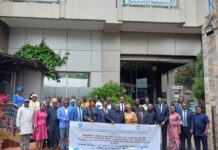
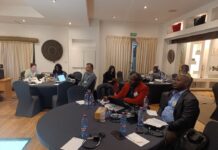

ABIDJAN – From 22 to 27 June 2026, the city of Abidjan served as the nerve centre for decision-making on the sustainable development of the Volta Basin. Experts from the six member states of the Volta Basin Authority (VBA) – Benin, Burkina Faso, Côte d’Ivoire, Ghana, Mali and Togo – gathered at the Hôtel Les Terrasses de Bonoumin for a series of strategic meetings aimed at reversing the degradation of the ecosystems and water bodies in this shared basin.
This large-scale initiative forms part of the regional REWarD-Volta River project, funded by the Global Environment Facility (GEF) and implemented by the VBA and the Global Water Partnership in West Africa (GWP-WA), in collaboration with the United Nations Environment Programme (UNEP) and the International Union for Conservation of Nature (IUCN).
A strong political commitment in the face of the climate emergency
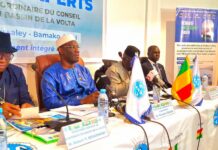
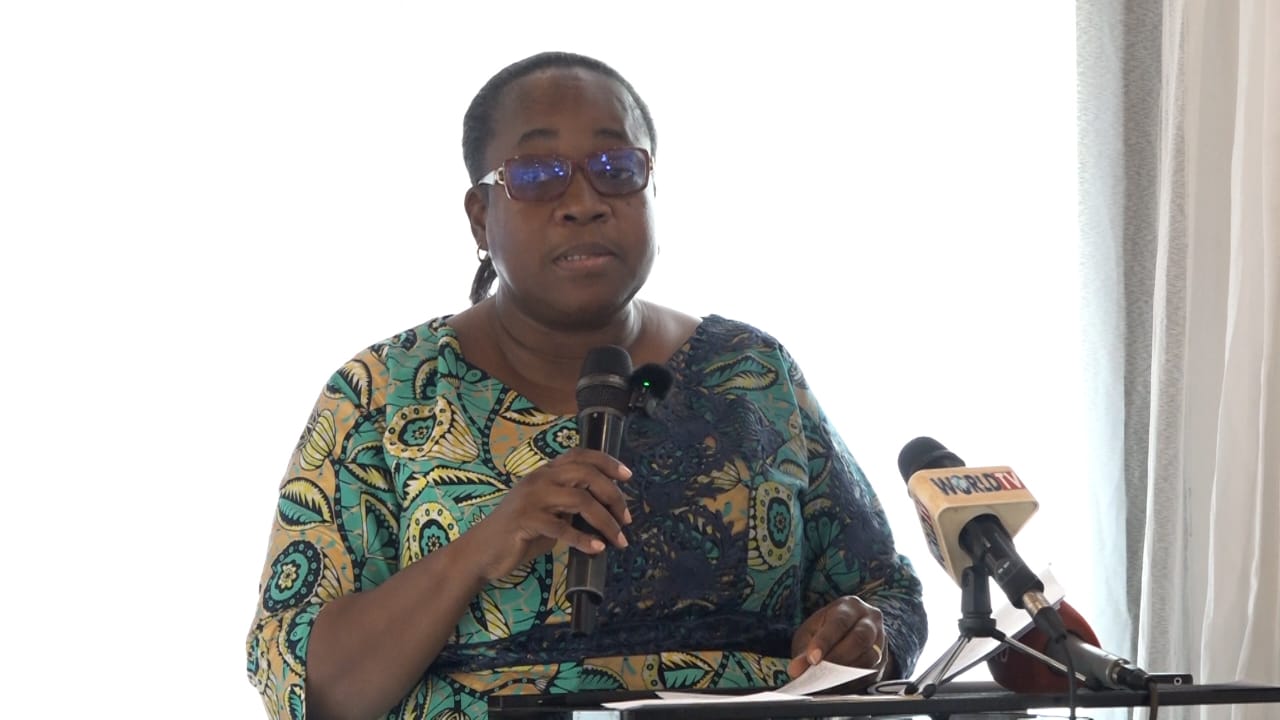 The opening ceremony of this conference was chaired by Mrs Zouzou, wife of Mailly Elvire-Joëlle, Chief of Staff, representing the Minister for Water and Forests, the minister responsible for ABV in Côte d’Ivoire, Mr Jacques Assahoré Konan. In her address, she emphatically reiterated that the sustainable management of the Volta Basin extends far beyond the realm of water or the environment; it directly affects food security, water security, social stability and regional integration. “The Volta Basin is much more than a geographical area. It constitutes a shared strategic asset, a factor for regional stability, a driver of economic development and an instrument of solidarity between our peoples,” she said.
Finally, she reaffirmed the commitment of the Government of Côte d’Ivoire to supporting efforts to preserve this highly significant river basin.
The Volta Basin is indeed of immense importance:
- It covers an area of approximately 400,000 km².
- It supports the lives and livelihoods of more than 35 million people.
- It is currently under serious threat from the effects of climate change, pollution, population pressure and the decline in biodiversity.
The ABV’s Deputy Executive Director, Dr Dibi Millogo, emphasised that, in the face of these threats, public policies and technical solutions are essential, but that no lasting change is possible without the support of local communities.
The 5th Stakeholder Forum: From Science to Action
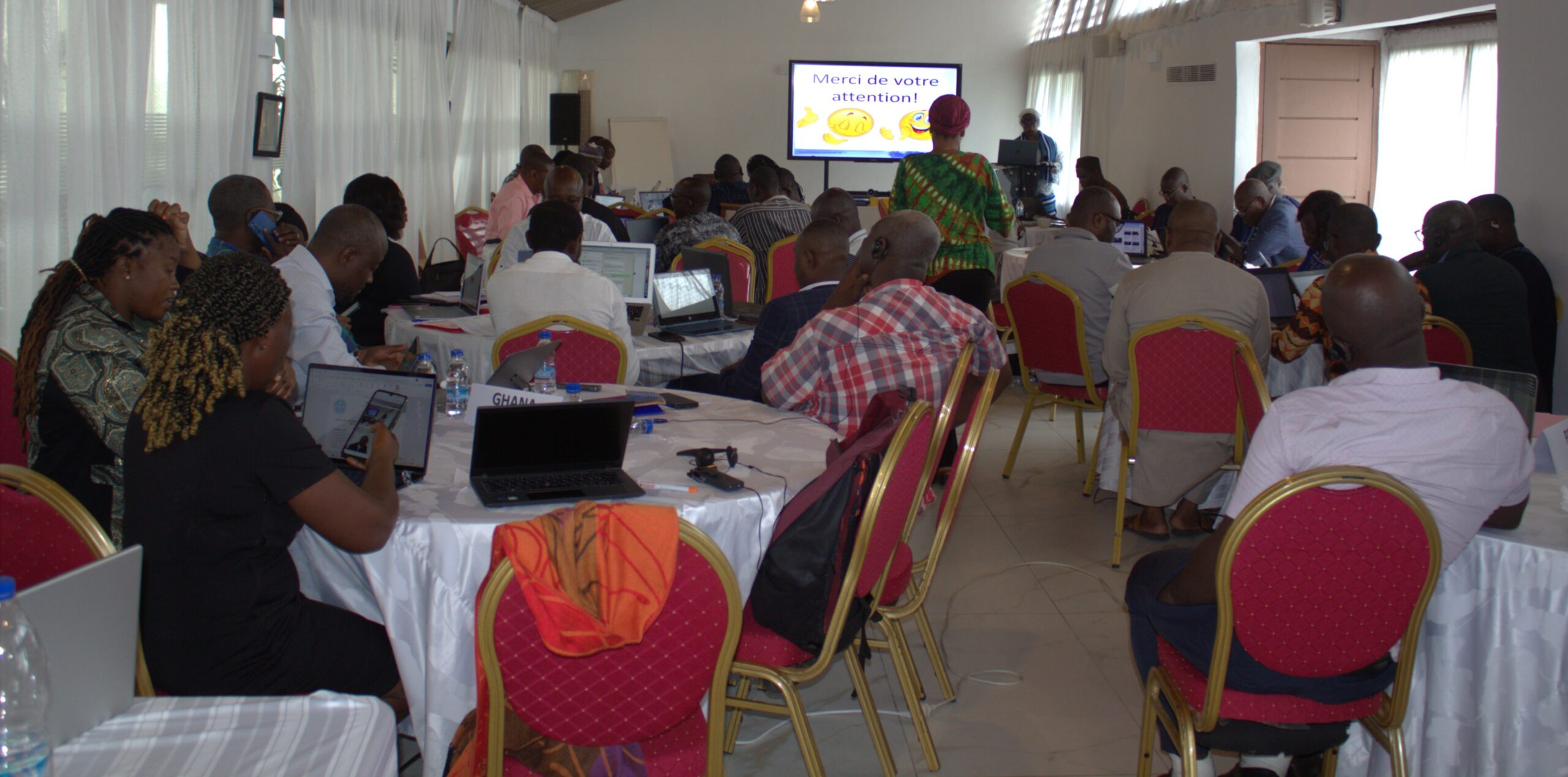
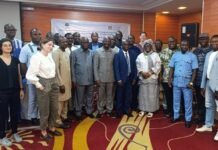
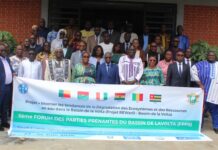
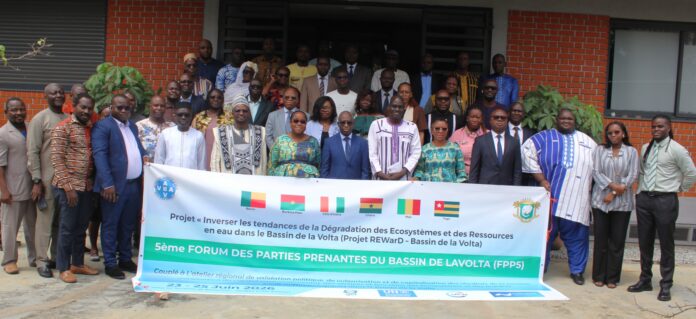
At the heart of this week’s activities, the 5th Volta Basin Stakeholder Forum (FPP5), held in conjunction with the regional policy validation workshop, took place from 23 to 25 June 2026. This meeting brought together around fifty experts representing the National Focal Points (SFNs), technical partners, water users, civil society, media representatives, and others.
The main objective was to take ownership of the findings of the mission to assess the basin’s environmental capital and ecosystem services. As Dr Amadou Lamine Ndiaye, Executive Secretary of GWP-AO, pointed out, these scientific findings must now guide public policy, investment and regional cooperation.
At the conclusion of the Forum, strong recommendations were adopted, urging, in particular, the ministries responsible for water resources to:
- Integrate ecosystem services into national and regional development policies and plans.
- Establish a dedicated annual national budget line for the conservation and restoration of these services.
- Support the development of the Volta Basin Water Development and Management Master Plan (SDAGE).
Furthermore, on 26 and 27 June, the detailed project document for the regional project “Sustainable Management of Shallow Groundwater in the Volta Basin” (SuGroM-VB) was approved, paving the way for its submission to the funding partners.
The media: true agents of change
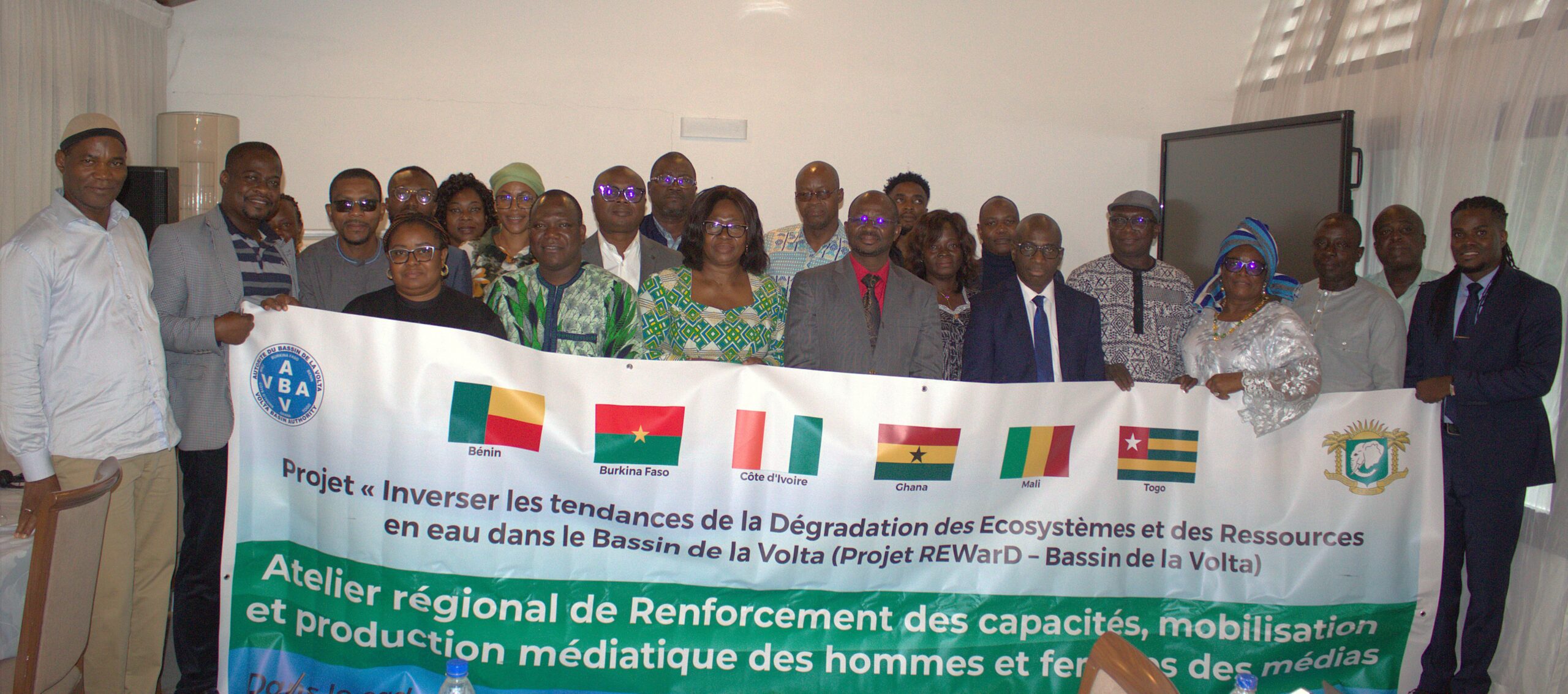
Recognising that raising awareness is vital for environmental resilience, the ABV and the GWP-AO organised, in parallel, on 22, 26 and 27 June 2026, a regional workshop dedicated to capacity-building for ten (10) media professionals from the six ABV member countries.
These media professionals were immersed in the work of the FPP5 to enable them to gain first-hand information. The workshop yielded concrete results for institutional communication:
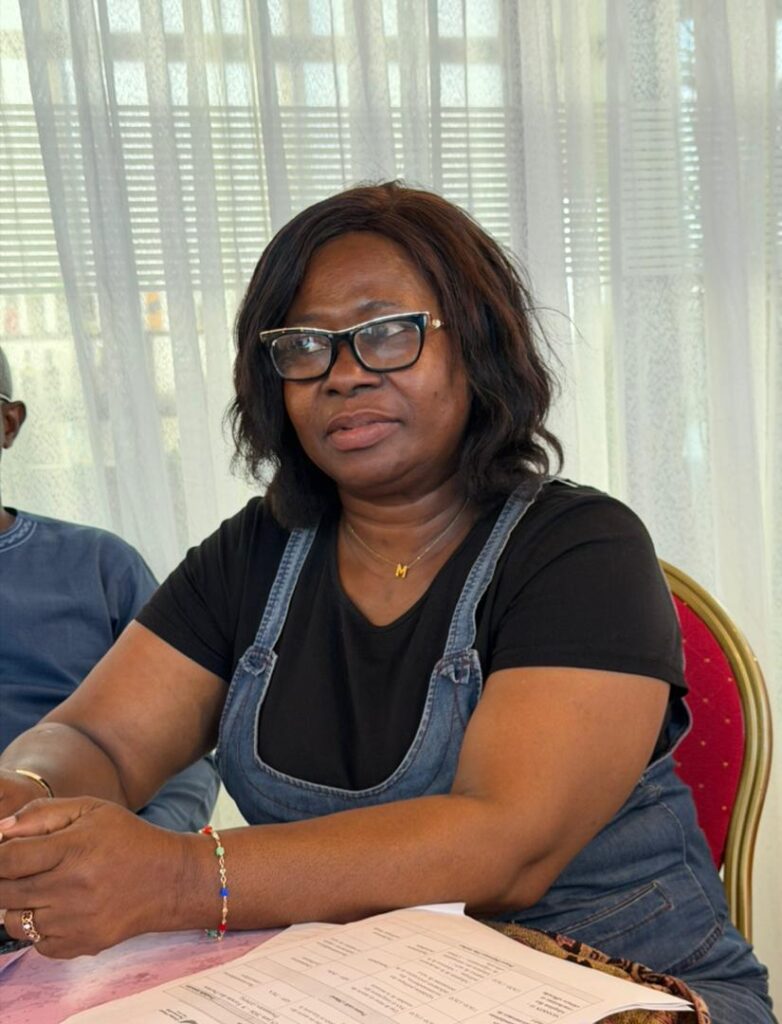 The ABV Network of Media Professionals was formally relaunched and structured.
- Ivorian journalist Marcelle Akissi AKA was appointed Chair and Spokesperson of the Network.
- A rotating governance mechanism was adopted, ensuring equitable representation of member states.
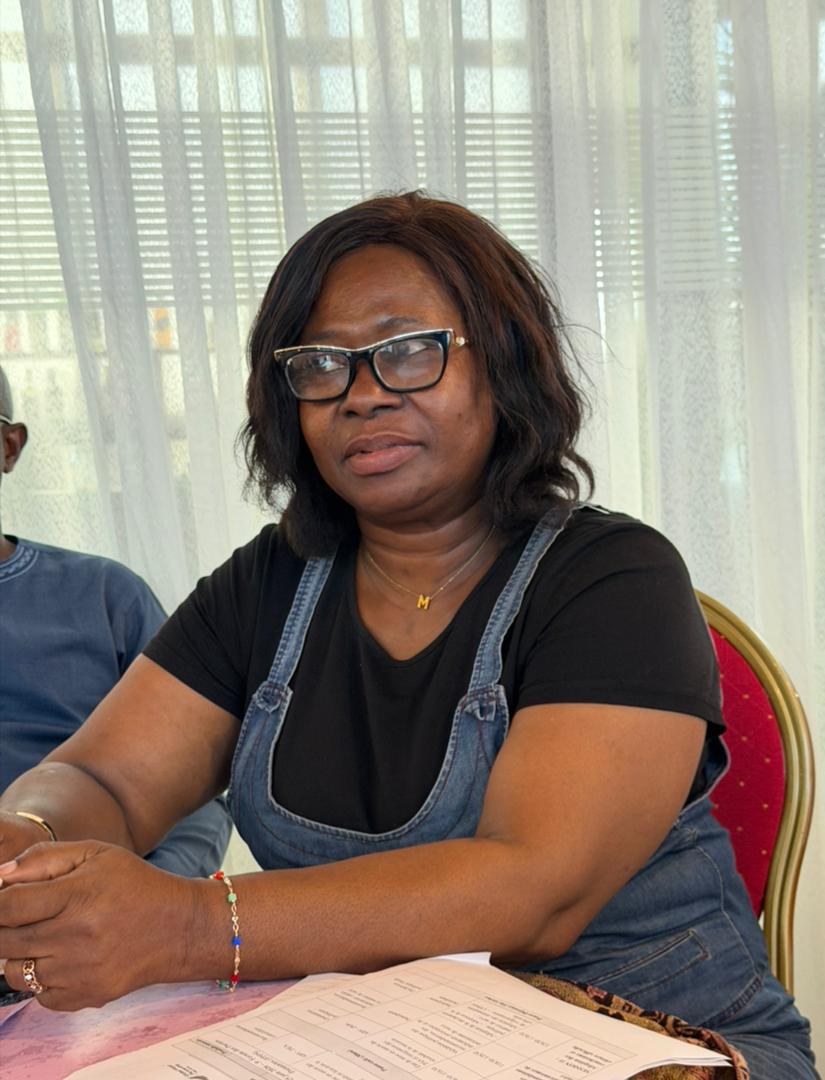
Trained in environmental journalism, storytelling and investigative reporting, these journalists have committed to producing regular content to inform citizens and positively influence decision-makers.
By combining high-level scientific validation, political commitment from governments and the impact of the media, these meetings in Abidjan mark a decisive turning point. The ABV’s member states have reaffirmed their shared commitment: to build a more resilient and inclusive basin for current and future generations.
